`
High-Performance Rotary Dryer for Animal Feed Production

SWISS COMBI ecoDry Rotary Dryer

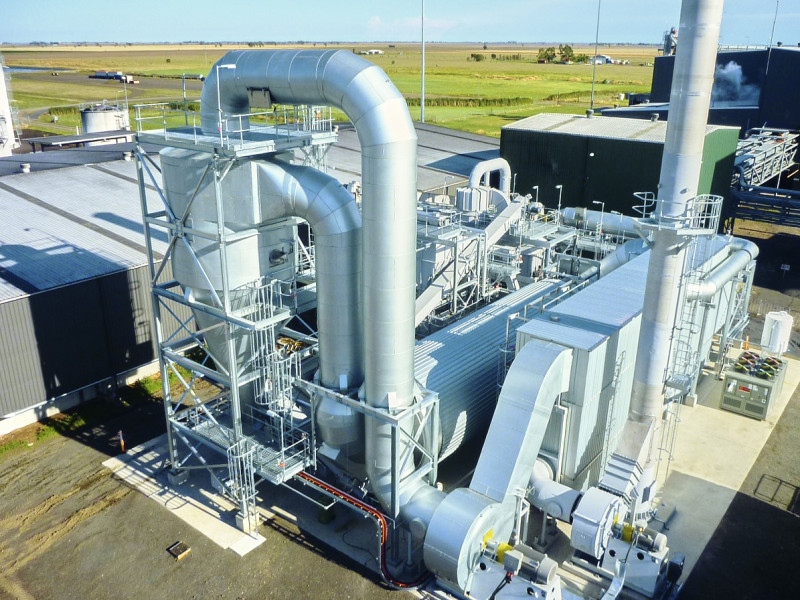
ecoDry Trommeltrockner zur Trocknung von Hirse-Trockenschlempe in Australien - Swiss Combi

Industrial Rotary Dryer for Animal Feed and DDGS Production

The SWISS COMBI ecoDry rotary dryer is an industrial drying system for the production of animal feed. It is used to dry residual materials from the ethanol and starch industry (DDGS), pectin and sugar industries, as well as by-products from animal processing – including materials with strong odours. As one of the leading manufacturers of indirect heated rotary drum dryers, SWISS COMBI develops efficient solutions for rotary drying and supplies systems for feed production worldwide.

SWISS COMBI rotary dryers can use a wide range of energy sources, including natural gas, biogas, hydrogen, oil, biodiesel and electricity. For smaller rotary dryers with a water evaporation capacity of up to 6 tonnes per hour, wood chips can also be used as an energy source.
The ecoDry rotary dryer is an indirect-heated rotary dryer and ensures uniform, gentle drying of the product while delivering high performance with comparatively low energy consumption.

SWISS COMBI ecoDry Rotary Dryers are Custom-built

Every dryer is individually designed to meet the specific requirements of each customer and achieve the desired results.

SWISS COMBI Designs and Manufactures Industrial Drying Systems for a Wide Range of Raw Materials

Do you have a new drying application for us? With a 5 kg sample, we can test whether your product is suitable for drying in our ecoDry rotary drum dryer. Get in touch with us!

Which Materials Are Suitable for the SWISS COMBI ecoDry Rotary Dryer?

Feed Production for Herbivores

Residual materials from ethanol and starch production (distillers dried grains with solubles, DDGS) and pectin production (pomace) can be processed into animal feed through drying in the SWISS COMBI ecoDry rotary dryer.

Sugar beet pulp, which is generated as a residual product in the sugar industry, can also be dried into animal feed in the rotary dryer.

Drying Slaughterhouse By-products for Animal Feed

Slaughterhouse by-products can be dried in the SWISS COMBI ecoDry rotary dryer and subsequently processed into animal meal. This can, for example, be used in cat food, dog food or fish feed.

The Indirect-Fired SWISS COMBI ecoDry Rotary Dryer Can Do More Than You Might Think.

Get in Touch for a No-Obligation Consultation!

Advantages of the SWISS COMBI ecoDry Rotary Dryer

Max. Water Evaporation Capacity:

40 t/h

Maximum Residual Moisture:

1 %

Systems in Operation:

> 50

  • Different Heat Sources
  • High Heat Recovery Potential
  • High Throughput
  • Integrated Thermal Oxidation
  • Excellent Product Quality
  • Low Emissions
  • Low Energy Consumption
  • Low Fire Risk

Whether it’s DDGS, pomace, slaughterhouse by-products or sugar beet pulp: benefit from SWISS COMBI technology when drying animal feed!

Der ecoDry Trommeltrockner nutzt für die Wärmeerzeugung flexibel Biogas, Biomasse, Erdgas, Biodiesel, Wasserstoff, Strom, Öl oder Hackschnitzel.

The SWISS COMBI ecoDry Rotary Dryer Can Flexibly Use a Wide Range of Energy Sources

The ecoDry rotary drum dryer can be operated using a variety of energy sources. Natural gas, biogas, biodiesel, hydrogen, electricity, oil or wood chips can be used to generate heat. Wood chips can be used for systems with a water evaporation capacity of up to 6 t/h.
Bei der Trocknung im ecoDry Trommeltrockner wird Prozessgas mit einer Wasserbeladung von bis zu 3 kg Wasser pro kg Luft ausgekoppelt. Dadurch bietet der ecoDry mit bis zu 60% ein sehr hohes Potenzial für die Energie-Rückgewinnung.

The SWISS COMBI ecoDry Rotary Dryer Offers Up to 60% Heat Recovery Potential

During the drying process in the ecoDry rotary dryer, process gas with a water loading of up to 3 kg of water per kg of air is extracted. This gives the ecoDry a very high potential for energy recovery. The extracted process gas can, for example, supply heat to a SWISS COMBI Belt Dryer or to an evaporator used to concentrate a liquid. One example is the SWISS COMBI ecoFertiliser Plant, where the evaporator is used in fertiliser production.
Alternatively, the waste heat from the rotary dryer can be used to produce hot water, which can then be used in an industrial process or for heating.
Der ecoDry Trommeltrockner bietet durch die inerte Dampfatmosphäre eine produktschonende Trocknung bei einem hohen Produktdurchsatz von bis zu 50 t/h Nassprodukt.

The SWISS COMBI ecoDry Combines High Throughput with Gentle Drying

The ecoDry rotary dryer operates with superheated steam at 450°C. The inert steam atmosphere enables gentle drying while maintaining a high throughput of up to 50 t/h of wet product.
Das ecoDry-System von SWISS COMBI beinhaltet eine integrierte thermische Nachverbrennung. Dabei werden unangenehm riechende Kohlenwasserstoff-Verbindungen zerstört.

The SWISS COMBI ecoDry Rotary Dryer is Ideal for Drying Strongly Odorous Materials

The SWISS COMBI ecoDry system incorporates integrated thermal oxidation. The extracted gases are fed into the furnace at its hottest point, where the unpleasant-smelling hydrocarbon compounds are thermally destroyed. The ecoDry technology is therefore particularly well suited to drying odorous products.
Getrocknetes Futtermittel aus dem ecoDry Trommeltrockner mit erhaltener Faserstruktur – Swiss Combi

SWISS COMBI ecoDry Rotary Dryers Provide Gentle Product Drying

ecoDry rotary dryers use superheated steam for drying. As the steam atmosphere protects the product from combustion, the drying process is particularly gentle on the product. Scorching of fine fibre hairs, which is common when drying with flue gas, is almost completely eliminated. This makes the ecoDry rotary drum dryer particularly suitable for the production of high-quality animal feed.
Beim ecoDry sind die Emissionen viel geringer als bei einem direkt beheizten Trommeltrockner. Dadurch werden bspw. die Vorgaben der «Technischen Anleitung zur Reinhaltung der Luft» (TA Luft) eingehalten.

The SWISS COMBI ecoDry Rotary Dryer Delivers Comparatively Low Emissions

In the ecoDry system, the drying process and heat generation are separated, with heat transferred via a high-temperature heat exchanger. This approach keeps emissions such as dust, CO, NOx and volatile organic compounds significantly lower than those of a direct-heated rotary dryer and can therefore, for example, meet the strict requirements of the German “Technical Instructions on Air Quality Control” (TA Luft).
Der indirekt beheizte ecoDry Trommeltrockner von SWISS COMBI benötigt nur 750 bis 850 kW pro Tonne Wasserverdampfung.

SWISS COMBI ecoDry Rotary Dryers Combine Low Energy Consumption with High Efficiency

Thanks to its closed steam circuit, the indirect-heated SWISS COMBI ecoDry rotary dryer requires only 750 to 850 kWh (2.56 to 2.9 MMBTU/h) per tonne of water evaporated . By comparison, a direct-heated rotary dryer requires approximately 1,000 kWh (3.41 MMBTU/h) per tonne of water evaporated . The high potential for heat recovery provides additional opportunities for saving energy.
Im operativen Betrieb entsteht im ecoDry Trommeltrockner durch den überhitzten Dampf eine inerte Atmosphäre, in der Produkte im Trockner nicht brennen können.

The SWISS COMBI ecoDry Rotary Dryer Minimises the Risk of Fire

During operation, the superheated steam in the ecoDry rotary dryer creates an inert atmosphere. This means that the oxygen content is below 10%. In such a low-oxygen environment, the product cannot burn inside the dryer.

How the SWISS COMBI ecoDry Rotary Dryer Works

The ecoDry is based on an indirect-heated drying process with a closed steam circuit using superheated steam and process-integrated thermal oxidation of the drying vapours.

The drying process therefore takes place without direct contact with flue gases. Instead, the product is dried particularly gently using superheated steam with a low oxygen content.

The vapour generated during drying is heated to over 860°C in the combustion chamber as part of the integrated process. This oxidises the hydrocarbons responsible for odours. As a result, the exhaust gas released into the atmosphere contains very low levels of odours and pollutants. The SWISS COMBI ecoDry rotary dryer is therefore particularly suitable for drying strongly odorous materials.

A SWISS COMBI ecoDry can achieve water evaporation capacities of between 2 and 40 t/h. Products can be dried to a residual moisture content of as little as 1%.

Our experienced engineers develop a dryer specifically tailored to each customer’s individual requirements.

SWISS COMBI ecoDry Rotary Dryer

The SWISS COMBI ecoDry rotary drum dryer gently and energy-efficiently dries animal feed using superheated steam.

Direct-Fired vs. Indirect-Fired Rotary Dryers: What’s the Difference?

A direct-heated rotary dryer uses flue gas for drying, which comes into direct contact with the product inside the dryer. This can cause fine fibres on the product to become scorched by the heat, reducing the quality of the dried product.

With indirect drying, by contrast, heat generation and drying are two separate processes, meaning that the product does not come into direct contact with hot flue gas. This makes drying in an indirect-heated rotary dryer gentler on the product, while emissions in the exhaust air are significantly lower than with a direct-heated rotary dryer.

The SWISS COMBI ecoDry rotary dryer is an indirect-heated rotary dryer that uses superheated steam for drying. Heat is transferred via a gas-to-gas high-temperature heat exchanger, which heats the steam to 450°C.

Indirect drying with superheated steam offers several advantages. Steam transfers heat to the product more effectively than air or flue gas. In addition, the hot steam displaces oxygen-containing air from the dryer, preventing the product from scorching or burning.

Another advantage is greater efficiency. In direct drying, hot flue gas absorbs moisture from the product, cools down and is then released into the atmosphere as exhaust air. The ecoDry rotary dryer, by contrast, operates with a closed steam circuit: the steam is repeatedly reheated and reused for drying, with only around 25% of the volume being extracted and released into the atmosphere.

This results in energy savings of approximately 20% compared with a direct-heated rotary dryer, as air at ambient temperature does not have to be continuously reheated.

Find out more about SWISS COMBI

Why the SWISS COMBI ecoDry Rotary Dryer Pays Off

Low Energy Consumption with High Heat Recovery

With an energy consumption of just 750–850 kWh per tonne of water evaporated (2.56 to 2.9 MMBTU/h), the ecoDry rotary dryer uses significantly less energy than direct-heated rotary dryers (1,000 kWh per tonne of water evaporated (3.41 MMBTU/h)). At the same time, the process gases have a high dew point of 94°C, making them ideally suited for further use as waste heat. This means that up to 60% of the energy used can be recovered, resulting in a highly favourable operating cost structure.

High Process Integration Reduces the Need for Additional Technologies  

Emissions such as dust, CO and NOx are inherently low thanks to the specialised drying process, while odorous gases are neutralised as an integral part of the process. In many cases, this eliminates the need for additional external exhaust air treatment, reducing associated costs.

High-Quality Dried Products Enable Higher Selling Prices 

Thanks to the gentle drying process using superheated steam, the ecoDry rotary dryer produces particularly high-quality dried products. These are often used as animal feed and, thanks to their high quality, can command correspondingly higher selling prices.

Our References: Where the ecoDry Rotary Dryer is Already in Successful Operation

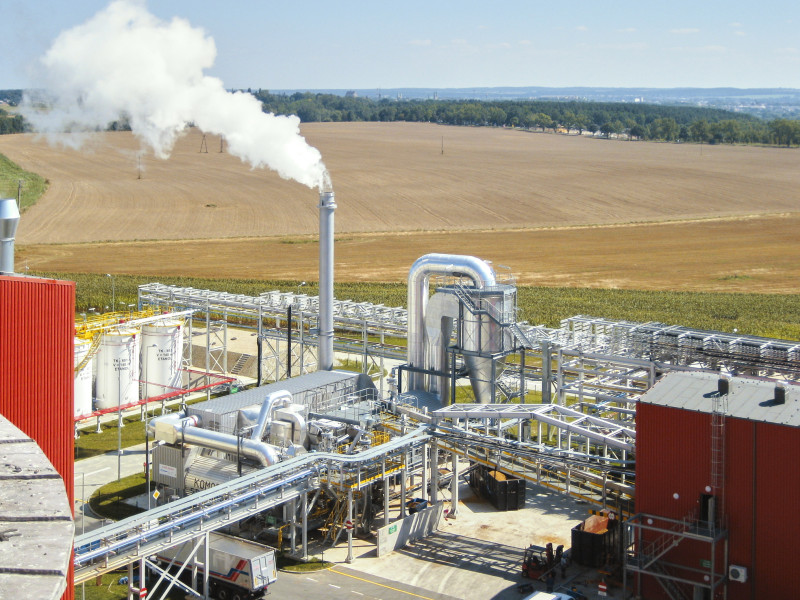
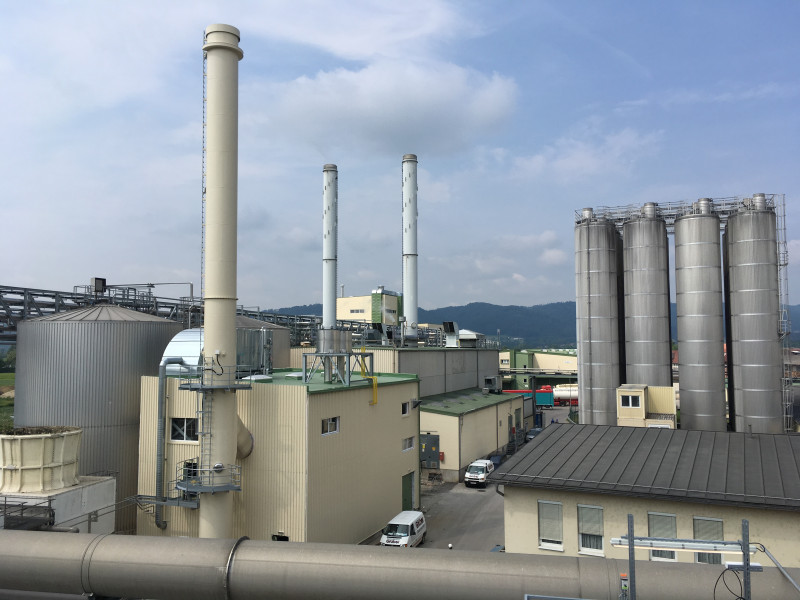
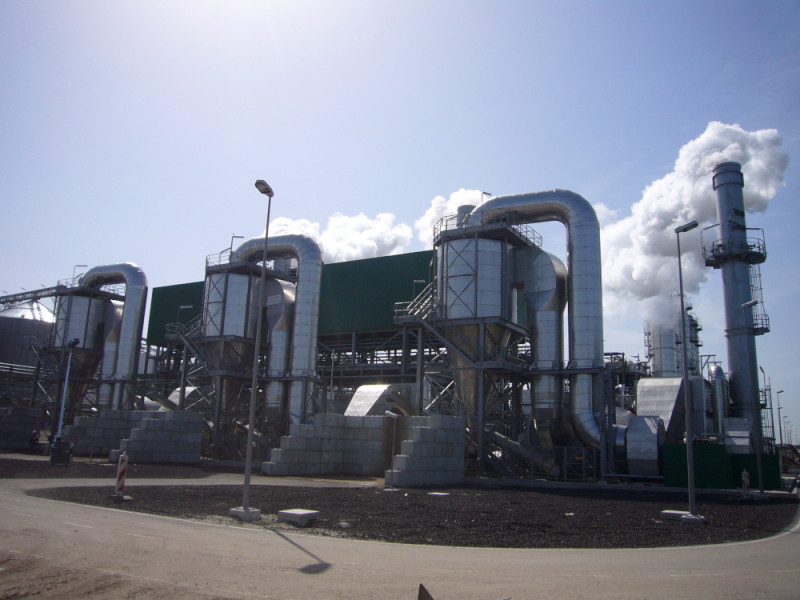
SWISS COMBI has developed and built more than 50 ecoDry rotary drum dryers over its more than 60-year history. These systems are in operation throughout Europe and internationally. Every SWISS COMBI drying system is individually tailored to the specific requirements of our customers, and each project has presented its own unique challenges. Find out how we overcame them in the following case studies.

  • ecoDry Trommeltrockner zur Trocknung von Trockenschlempe in Südafrika - Swiss Combi
    Raw Material:
    Production of Distillers Dried Grains with Solubles Feed
    Country, Year:
    South Africa, 2019
    Configuration:
    ecoDry without heat recovery
    Water Evaporation:
    17 t/h
    In this plant, high-quality distillers dried grains with solubles (DDGS) are produced from residues of bioethanol production, with a final moisture content of less than 10% water content. As is customary with ecoDry, odour elimination is integrated without requiring additional energy expenditure.
  • ecoDry Trommeltrockner zur Trocknung von Trockenschlempe in Frankreich - Swiss Combi
    Raw Material:
    Animal Feed From Distillers Dried Grains with Solubles
    Country, Year:
    France, 2019
    Configuration:
    ecoDry without heat recovery
    Water Evaporation:
    32 t/h
    In this plant, the drum and product preparation area was replaced by Swiss Combi. This significantly increased the availability of the plant.
  • Raw Material:
    Feed Production from Dried Distillers Grains
    Country, Year:
    Poland, 2023
    Configuration:
    ecoDry with heat recovery
    Water Evaporation:
    17 t/h
    Having already supplied two ecoDry systems to this customer, heat recovery is now being retrofitted to one of these systems. This involves relatively little effort and enables the amount of energy used to be optimized whilst also reducing costs.
  • ecoDry Trommeltrockner zur Trocknung von Maiskleber in Österreich - Swiss Combi
    Raw Material:
    Production of Animal Feed From Corn Gluten
    Country, Year:
    Austria, 2017
    Configuration:
    ecoDry with heat recovery
    Water Evaporation:
    5 t/h
    After the delivery of the first ecoDry plant in 2000, we were asked to deliver a second ecoDry plant as a result of a capacity expansion of the plant. The waste heat is transferred to a spray dryer via our condenser.
  • ecoDry Trommeltrockner zur Trocknung von Obsttrester in Deutschland - Swiss Combi
    Raw Material:
    Animal Feed From Fruit Pomace
    Country, Year:
    Germany, 2019
    Configuration:
    ecoDry with heat recovery
    Water Evaporation:
    6 t/h
    In this plant, an existing direct-heated rotary dryer was converted into an ecoDry to reduce emissions and utilise waste heat.
  • ecoDry Trommeltrockner zur Trocknung von Weizenkleber in Frankreich - Swiss Combi
    Raw Material:
    Drying of Wheat Gluten Feed
    Country, Year:
    France, 2016
    Configuration:
    ecoDry with heat recovery
    Water Evaporation:
    12 t/h
    In this ecoDry plant, the residues of a wheat starch plant are processed into a wheat gluten feed for livestock. This ecoDry has replaced an old drying plant installed in1998.
  • ecoDry Trommeltrockner zur Trocknung von Sirup mit Weizenkleie in Ungarn - Swiss Combi
    Raw Material:
    Cattle Feed From Syrup With Wheat Bran
    Country, Year:
    Hungary, 2018
    Configuration:
    ecoDry with heat recovery
    Water Evaporation:
    9 t/h
    In this ecoDry plant, syrup and wheat bran are processed into livestock feed.
  • ecoDry Trommeltrockner zur Trocknung von Trockenschlempe in Holland - Swiss Combi
    Raw Material:
    Feed from Distillers Dried Grains with SOlubles
    Country, Year:
    Netherlands, 2007
    Configuration:
    ecoDry without heat recovery
    Water Evaporation:
    3 x 36 t/h
    In this plant, ethanol is produced in a bioethanol facility for blending into gasoline. The residual byproduct from the bioethanol production is processed using the SWISS COMBI ecoDry system to produce distillers dried grains with solubles (DDGS), a protein-rich feed for livestock. We have supplied three dryers, each capable of evaporating 36 tonnes of water per hour.
  • ecoDry Trommeltrockner zur Trocknung von Hirse-Trockenschlempe in Australien - Swiss Combi
    Raw Material:
    Feed From Millet Distillers Dried Grains with Solubles
    Country, Year:
    Australia, 2014
    Configuration:
    ecoDry with heat recovery
    Water Evaporation:
    18.5 t/h
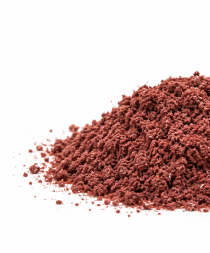
    In this plant, red millet is used as a raw material for ethanol production. We process the residual product in the ecoDry into DDGS, a protein-rich livestock feed.

From Switzerland to the rest of the world: An overview of the countries to which SWISS COMBI has supplied ecoDry rotary dryers

Dark blue: Countries to which ecoDry rotary dryers from SWISS COMBI have been delivered.

Raw Materials Suitable for the SWISS COMBI ecoDry Rotary Dryer

We develop and build systems for a wide range of raw materials – see the overview above. But we can do more.Do you have a new drying application for us? With a 5 kg sample, we can test whether your product is suitable for drying in our ecoDry rotary drum dryer. We would be happy to discuss the possibilities with you and find the right drying solution for your application.

Call us or send an email to learn more about our products and services

Frequently Asked Questions About the SWISS COMBI ecoDry Rotary Dryer

What does SWISS COMBI mean by a custom-built drying system?

SWISS COMBI manufactures industrial drying systems that are precisely tailored to each customer’s individual requirements. We take into account factors such as the product to be dried, the required residual moisture content, the available heat sources, the available space, applicable noise and dust emission limits, and much more. If required, we can also supply SWISS COMBI dryers in the customer’s corporate colours. Every SWISS COMBI drying system is unique.

Which energy sources are suitable for the SWISS COMBI ecoDry rotary dryer?

The ecoDry rotary dryer can be operated using all common energy sources, including natural gas, biogas, biodiesel, hydrogen, electricity, oil and wood chips (for systems with a water evaporation capacity of up to 6 t/h).

What initial moisture content is suitable for drying with the SWISS COMBI ecoDry rotary dryer?

The water content of the wet product entering the ecoDry rotary drum dryer can be as high as 75%.

What final moisture content can products be dried to with a SWISS COMBI ecoDry rotary dryer?

The SWISS COMBI ecoDry rotary dryer can achieve a residual moisture content of as little as 1%. The incoming moisture content of the products to be dried can be up to 75%. Within this range (75%–1%), customers can specify the desired moisture content of the product after drying.

What drying temperatures are possible with a SWISS COMBI ecoDry rotary dryer?

The ecoDry rotary dryer uses superheated steam for drying. The steam has a temperature of approximately 450°C. Integrated thermal oxidation of the drying vapours takes place at 860°C. This oxidises odorous hydrocarbon compounds in the exhaust air, allowing the treated exhaust air to be released into the atmosphere with significantly reduced odour.

What control options are available for the SWISS COMBI ecoDry rotary dryer?

The SWISS COMBI ecoDry rotary drum dryer is operated using a PLC control system and features control loops that automatically respond to changes in the process. Typically, the ecoDry is integrated into an industrial plant process that is monitored from a control room. An operator monitors the entire plant, including the ecoDry dryer, and can intervene in its operation if required. If defined threshold values are exceeded, the control system shuts the ecoDry down in a controlled manner.

What is the drying capacity of a SWISS COMBI ecoDry rotary dryer?

The SWISS COMBI ecoDry rotary dryer is designed according to the customer’s required water evaporation capacity. Systems can be configured for 2–5 t/h, 5–10 t/h, 10–20 t/h or more than 20 t/h of water evaporation – up to a maximum of 40 tonnes of water evaporation per hour and drying system. Product throughput can be up to 50 t/h of wet product.

How much energy does a SWISS COMBI ecoDry rotary dryer require?

The required amount of energy varies depending on the product being dried and the desired residual moisture content of the final product. On average, our ecoDry rotary dryers require between 750 and 850 kWh (2.56 to 2.9 MMBTU/h) of thermal energy per tonne of water evaporated . In addition, our ecoDry rotary dryers require approximately 35 kWh of electrical energy per tonne of water evaporated during operation.

Which products can be dried with a SWISS COMBI ecoDry rotary dryer?

The SWISS COMBI ecoDry rotary dryer is an industrial drying system designed for the gentle drying of materials used in animal feed production. This also includes strongly odorous materials such as pomace, dried distillers grains and slaughterhouse by-products. With a 5 kg sample, we can test whether your product is suitable for drying in the SWISS COMBI ecoDry rotary dryer.

Can digestate be dried with a SWISS COMBI ecoDry rotary dryer?

Solid digestate can be dried in the SWISS COMBI ecoDry rotary dryer. However, for drying solid digestate, the ecoTwin – a combination of an ecoDry rotary dryer and a SWISS COMBI belt dryer – is even better suited.
With the ecoTwin, the solid digestate can be pre-dried in the rotary dryer, while the material’s strong odour is neutralised. Final drying then takes place in the belt dryer, which uses the waste heat from the rotary dryer. This allows the rotary dryer’s heat recovery potential to be used to its full advantage.
Alternatively, other materials such as wood or sawdust, wood chips, grass, alfalfa, bagasse or sugar beet pulp can be dried in the belt dryer.
Liquid digestate can be processed into fertiliser granules in the ecoFertiliser Plant.

How much space does a SWISS COMBI ecoDry rotary dryer require?

A medium-sized SWISS COMBI ecoDry rotary dryer typically measures approximately 30 m × 20 m (98 x 66 ft).

Which countries or regions can SWISS COMBI supply ecoDry rotary dryers to?

SWISS COMBI is one of the leading manufacturers of indirect-heated rotary dryers. We supply our systems worldwide.

Is the SWISS COMBI ecoDry rotary dryer a stationary system and does it operate fully automatically?

The SWISS COMBI ecoDry rotary dryer is a stationary system designed for continuous operation. It is fully automated using a PLC control system and is typically integrated into an industrial plant process monitored from a control room.
An operator can intervene if required. If defined threshold values are exceeded, the control system shuts the ecoDry down in a controlled manner.